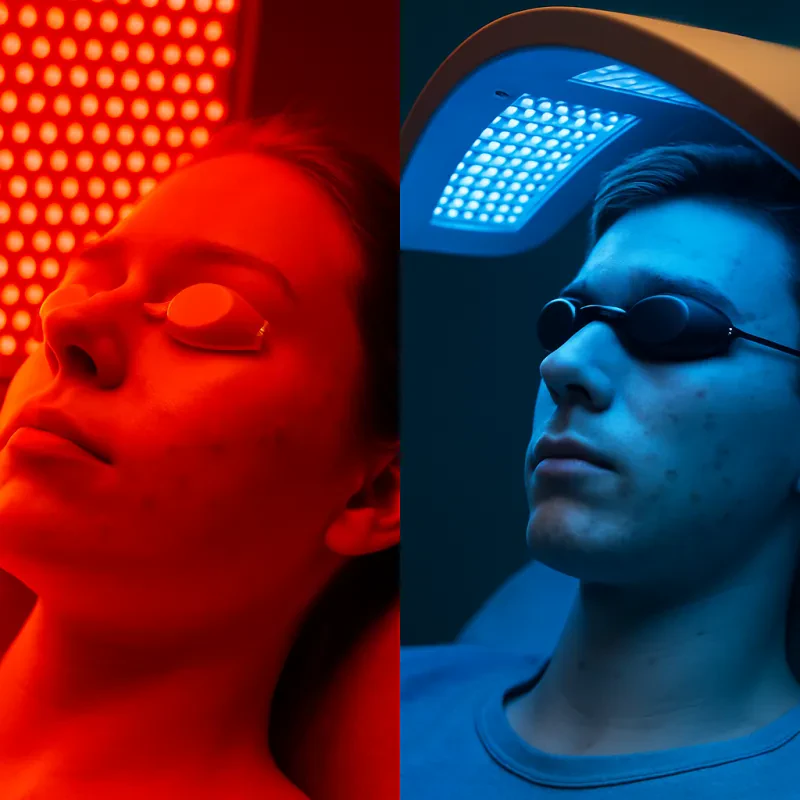
If your dog struggles with arthritis, or your cat has a wound that’s taking longer than expected to heal, there’s good news: light may be part of the solution.
Light therapy—also known as photobiomodulation (PBM)—is gaining popularity in veterinary care as a safe, non‑invasive way to help pets feel better, heal faster, and live more comfortably. But does it really work? Let’s take a look at what the science says.
What Is Light Therapy for Pets?
Light therapy uses low‑level red or near‑infrared light (usually between 600–1100 nanometers) to gently stimulate your pet’s tissues. It’s sometimes referred to as “cold laser therapy” or “low‑level laser therapy.” Unlike the high‑powered lasers used in surgery, PBM devices don’t cut or burn. Instead, they deliver therapeutic light to the skin and underlying tissues.
It’s been used in human medicine for decades, and now veterinarians are successfully adapting it to support pets.
How Does It Work? The Science in Simple Terms
Think of your pet’s cells as tiny batteries. Over time—or when they’re injured—those batteries can run low. Light therapy “recharges” those batteries.
Here’s how:
-
The light penetrates the skin and is absorbed by a part of the cell called cytochrome c oxidase inside the mitochondria (the cell’s power plants).
-
This stimulates production of ATP, the molecule that fuels cellular activity.
-
The light also helps release nitric oxide, which improves blood flow and reduces inflammation.
In short, light therapy helps cells repair themselves faster, improves circulation, and reduces pain—without drugs or invasive procedures.
What Can Light Therapy Help With?
1. Joint Pain & Arthritis
If your senior dog struggles to get up or your cat avoids jumping onto their favorite perch, arthritis might be to blame.
A randomized clinical trial in dogs with elbow osteoarthritis found that PBM significantly reduced pain and improved mobility compared to placebo treatments (Evangelos et al., 2018). Another 2022 study also reported less pain and improved hip function in dogs receiving PBM.
2. Wound & Skin Healing
From post‑surgery incisions to hot spots, light therapy speeds up healing. Studies show that PBM promotes tissue repair and reduces infections. A recent 2024 study even found that near‑infrared laser therapy helped restore a healthier skin microbiome in dogs with dermatitis.
3. Dental & Oral Recovery
Dental procedures can leave pets sore. Light therapy has been used after tooth extractions and cleanings to reduce gum inflammation and speed healing, helping pets get back to eating and playing sooner.
4. Chronic Kidney Support
Emerging evidence suggests PBM may help stabilize kidney function in pets with chronic kidney disease—though more research is needed. Some vets use it to improve overall comfort and quality of life for these pets.
Is It Safe?
Yes—when used correctly and under veterinary supervision.
Light therapy is painless (many pets find it soothing), drug‑free, and non‑invasive. Most sessions last just a few minutes.
That said, PBM isn’t for every situation. It should not be used over tumors, the thyroid gland, or the eyes. Proper protective goggles are always used for both your pet and the practitioner.
Should You Try It for Your Pet?
Light therapy can be an excellent option if your pet:
-
Has chronic joint pain or stiffness
-
Needs help with wound or surgical healing
-
Suffers from skin conditions
-
Is recovering from dental procedures
The key is to talk to your vet. They can recommend the right protocol—how often, how long, and what type of device will work best. Some clinics offer in‑office sessions, and for ongoing needs, your vet may guide you in using a home device safely.
Final Thoughts
Light therapy isn’t a magic cure, but the science shows it can make a real difference for pets dealing with pain, inflammation, or slow healing. It’s a gentle way to give your pet a better quality of life—one light session at a time.
If you think your furry friend could benefit, ask your veterinarian whether photobiomodulation could be part of their care plan.